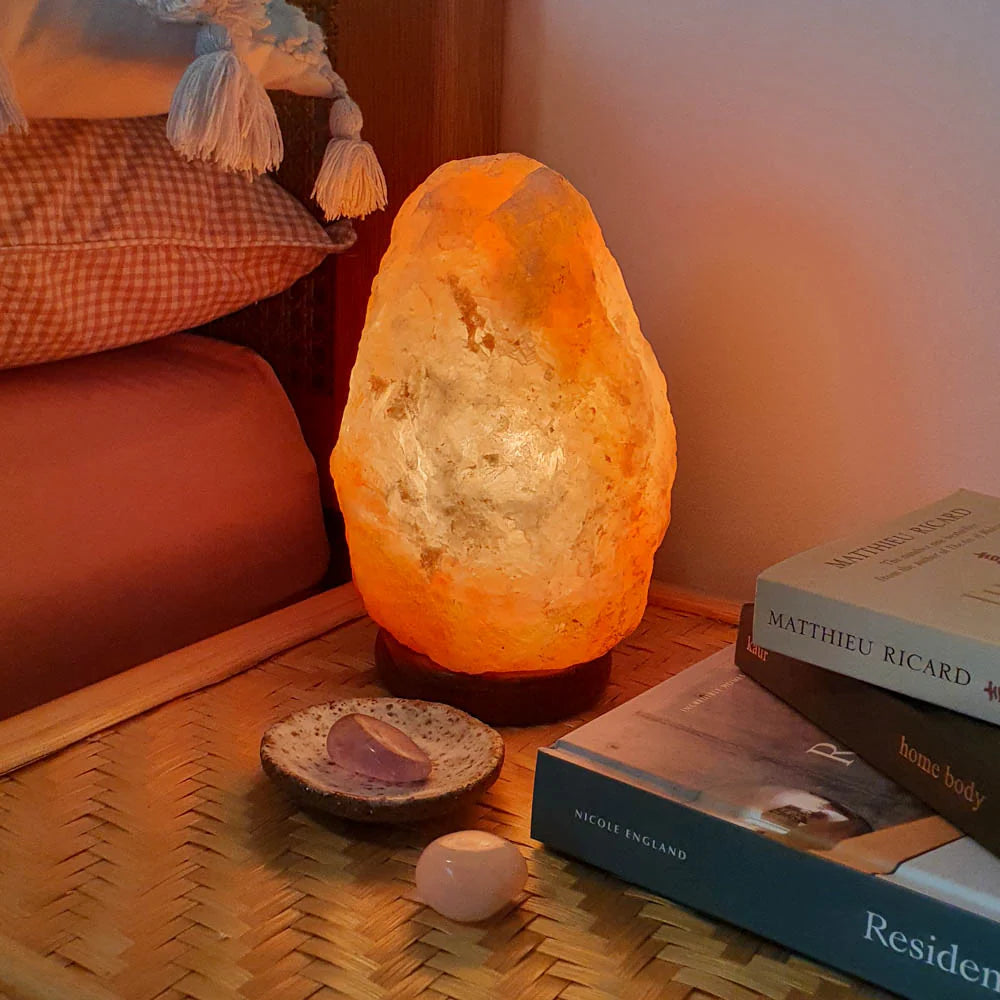


Himalayan salt home aesthetic explained
The Himalayan salt home aesthetic is defined by natural pink and amber hues, crystalline texture, and warm ambient glow that creates a grounding, relaxed atmosphere in any room. Interior designers and wellness seekers increasingly reach for Himalayan salt lamps, salt tiles, and salt walls as décor elements that feel both organic and calming. The appeal sits at the crossroads of biophilic design and soft lighting, where natural materials do the heavy lifting. Understanding what this aesthetic actually delivers, and what it does not, helps you make smarter choices for your home.
What physical qualities define the Himalayan salt aesthetic?
Himalayan salt earns its place in interior design through three distinct physical qualities: colour, texture, and light behaviour. The mineral-rich composition of salt mined from the Khewra Salt Mine in Pakistan produces hues ranging from pale blush pink to deep terracotta orange. No two pieces are identical, which gives every lamp or tile an artisan quality that manufactured décor simply cannot replicate.
The crystalline surface of salt bricks and lamps catches and scatters light in a way that smooth materials do not. When a bulb sits inside a carved salt lamp, the warm amber glow diffuses through the translucent crystal, producing soft, uneven pools of light across walls and ceilings. This is the defining visual signature of the Himalayan salt bedroom styling explained by so many interior accounts online.
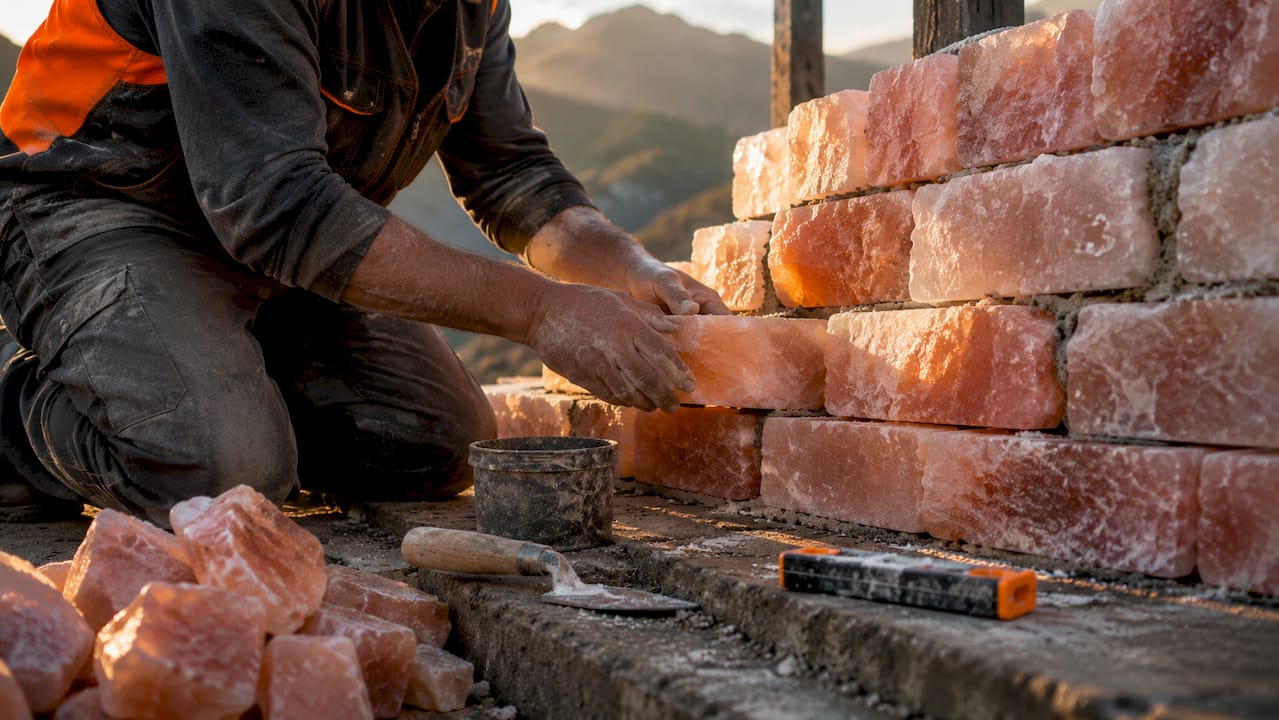
Salt walls take this further. A backlit salt wall transforms a flat surface into a textured, glowing feature that reads as both sculptural and atmospheric. Backlighting translucent salt bricks with warm LEDs delivers a smooth, consistent glow while reducing heat and energy use compared to incandescent alternatives. The result is closer to a living artwork than a standard wall finish.
Lamps vs salt walls: which creates the stronger aesthetic?
| Feature | Salt lamp | Salt wall |
|---|---|---|
| Visual impact | Localised warm glow, portable | Full surface feature, architectural |
| Texture | Single carved form | Layered brick or tile pattern |
| Lighting control | Fixed bulb wattage | Adjustable LED system |
| Installation effort | Plug and place | Framing, adhesive, and backlighting |
| Best for | Bedrooms, desks, shelves | Meditation rooms, spa spaces, feature walls |
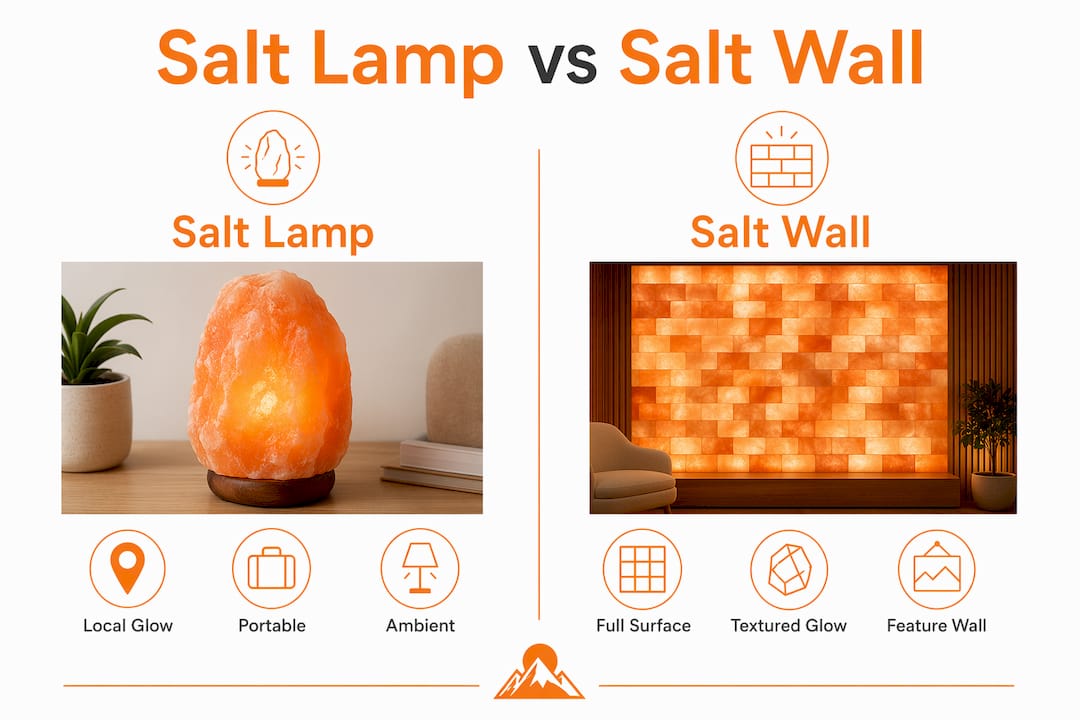
A salt lamp suits the Himalayan salt bookshelf decor setup perfectly. A salt wall suits a dedicated wellness room or spa-style bathroom where you want the material to define the entire space.
Pro Tip: Place a larger lamp, such as a 22 to 26 kg statement piece, in a corner where two walls meet. The glow bounces off both surfaces and doubles the ambient effect without adding a second light source.
What does science say about salt décor and air quality?
Salt lamps are widely marketed as air purifiers, but the evidence does not support this claim at room scale. Salt lamps do not purify indoor air according to standard testing protocols, showing zero measurable removal of particulate matter or VOCs in room scenarios. This means the air quality in your bedroom is unchanged by the presence of a lamp, regardless of how long it runs.
The ion argument is equally weak. Ion emissions from salt lamps fall far below the concentration needed to affect airborne particles in a room. A dedicated negative ion generator produces thousands of times more ions than a heated salt surface. Salt lamps simply do not generate enough heat or surface area to make a measurable difference to room air.
“Salt surfaces attract moisture locally but do not filter entire room air. Measured pollutant reductions from salt surfaces are negligible; mechanical systems effectively lower indoor pollution.” — Air quality evidence review, 2026
What salt lamps genuinely deliver is ambient comfort and visual warmth, not therapeutic air treatment. That is not a failure. It is simply an accurate description of what you are buying. If you want cleaner air, pair your salt décor with a HEPA air purifier or improve room ventilation. The salt lamp handles the atmosphere. The purifier handles the particles.
The Himalayan salt bedroom air explained conversation online often conflates these two things. Separate them, and you get a much more satisfying result from both.
How to build a Himalayan salt wall that lasts
A salt wall done well is one of the most striking features you can add to a home. Done poorly, it cracks, discolours, and crumbles within a year. The difference comes down to materials and moisture management.
Follow these steps for a durable installation:
- Measure and plan your frame. Calculate the wall area and mark stud positions. Use moisture-resistant timber or metal framing to prevent warping behind the salt surface.
- Install a moisture barrier. Fix a waterproof membrane or cement board to the frame before any salt goes up. Salt is hygroscopic, meaning it draws moisture from the air, and that moisture needs somewhere to go that is not your wall cavity.
- Select the right adhesive. Specialized salt brick adhesive is non-negotiable. Standard tile adhesive reacts chemically with salt crystals, causing bond failure and visible degradation. Purpose-made adhesives offer 10 to 15 years of durability indoors, with annual checks recommended in high-humidity spaces such as bathrooms.
- Lay your salt bricks or tiles. Work from the bottom up in level rows. Press each brick firmly into the adhesive and allow full cure time before proceeding to the next row.
- Install LED backlighting. Fix warm white LED strip lights behind or within the frame before closing the wall surface. Warm LEDs in the 2700K to 3000K colour temperature range best complement the natural amber tones of the salt.
- Seal the edges. Use a salt-compatible sealant around the perimeter to reduce moisture ingress at the joins.
Pro Tip: Avoid installing a salt wall in rooms with steam, such as shower enclosures or directly above a hob. Persistent steam accelerates moisture absorption and will shorten the life of even the best adhesive.
Moisture management is the single most critical factor in maintaining a salt wall’s appearance and structural integrity over time. Get this right and the wall will look as good in five years as it does on day one.
How to use Himalayan salt décor in different rooms
The Himalayan salt bedroom decor setup is the most popular application, and for good reason. A lamp on a bedside table produces soft, warm light that supports winding down in the evening without the blue-light disruption of screens. Salt walls and lamps placed in bedrooms and meditation spaces complement wood and stone materials, creating a cohesive natural palette that feels genuinely restful.
Here is how to match salt décor to specific spaces:
- Bedroom: A medium lamp (3 to 5 kg) on a bedside table works as a soft night light. Pair it with linen, timber furniture, and warm-toned rugs for a grounded, natural feel. Check out lamp sizing guidance to match the lamp to your room dimensions.
- Meditation or wellness corner: A salt wall or a cluster of lamps creates a dedicated sensory zone. The warm glow signals to your nervous system that this is a space for stillness.
- Home office: A smaller lamp on a desk adds warm ambient light that softens the harshness of monitor glare. This is the Himalayan salt office gift explained in practice. It is a genuinely useful desk object, not just a decorative one.
- Reading nook or bookshelf: Salt lamps sit naturally among books and plants. The warm light suits low-activity reading without straining your eyes.
- Spa-style bathroom: Salt tiles on a feature wall, kept away from direct water spray, add texture and warmth. Pair with bamboo accessories and neutral towels for a spa gift aesthetic that works every day.
Salt décor also makes a thoughtful gift. A lamp works as a Himalayan salt housewarming gift, a mother’s day present, or a sympathy gift for someone creating a calm space at home. The natural material and warm light carry meaning without requiring explanation.
Key takeaways
The Himalayan salt home aesthetic delivers genuine visual warmth and natural texture, but its wellness value lies in atmosphere rather than measurable air purification.
| Point | Details |
|---|---|
| Aesthetic value is real | Natural pink hues and warm amber glow create a distinctive, grounding atmosphere in any room. |
| Air purification claims are unproven | Salt lamps show zero measurable removal of particulates or VOCs at room scale. |
| Salt walls need specialist materials | Use moisture-resistant framing and purpose-made adhesive for a wall that lasts 10 to 15 years. |
| LED backlighting transforms salt walls | Warm LEDs at 2700K to 3000K best enhance the natural amber tones of Himalayan salt bricks. |
| Room placement matters | Match lamp size to room dimensions and place in bedrooms, offices, or wellness corners for best effect. |
Why I think the wellness narrative misses the real point
People often ask me whether salt lamps are worth buying once they learn the air purification claims do not hold up. My answer is always yes, but for completely different reasons than the marketing suggests.
The real value of a Himalayan salt lamp is that it changes how a room feels the moment you switch it on. That warm, slightly uneven amber glow does something that a standard bulb simply cannot. It signals rest. It softens edges. It makes a bedroom feel like a bedroom rather than a workspace with a bed in it. That is not nothing. That is actually quite a lot.
What I find frustrating is the wellness industry’s habit of attaching unverifiable health claims to products that are genuinely good on their own terms. A salt lamp does not need to purify your air to justify its place on your bedside table. The full guide to salt lamps makes this case clearly. Buy it for the light. Appreciate it for the texture. And if you want clean air, open a window.
For salt walls, the calculus is similar. The installation effort is real, the material costs are real, and the maintenance is real. But a well-built, backlit salt wall in a meditation room or spa bathroom is one of the most striking features I have seen in residential interiors. It earns its place through beauty and atmosphere, not through health claims.
— asad
Bring the Himalayan salt aesthetic home
Ready to build your own salt aesthetic? Thehimalayansalt offers a handpicked range of authentic, artisan-crafted pieces to suit every room and budget.
Start with a statement lamp. The large 22 to 26 kg salt lamp delivers a commanding ambient glow for living rooms and open spaces. For bedrooms and desks, the grey salt lamp (3 to 5 kg) offers a cooler, more subtle tone that pairs beautifully with modern interiors. Planning a salt wall? The natural salt tiles give you the raw material to create a custom feature wall at home. Free UK shipping on all orders. Shop the full range at Thehimalayansalt.
FAQ
Do Himalayan salt lamps actually purify the air?
No. Independent testing confirms that salt lamps show zero measurable air purification at room scale. Their value is aesthetic and atmospheric, not therapeutic.
What size salt lamp suits a bedroom?
A lamp between 3 and 5 kg suits most standard bedrooms, producing enough warm glow to use as a soft night light without overpowering the space. Use the room size guide from Thehimalayansalt to match weight to square footage precisely.
How long does a Himalayan salt wall last?
A properly installed salt wall using specialist adhesive lasts 10 to 15 years indoors, with annual checks recommended in humid rooms such as bathrooms.
What rooms suit Himalayan salt décor best?
Bedrooms, meditation corners, home offices, and spa-style bathrooms all benefit from salt décor. The warm light and natural texture complement wood, stone, and linen materials found in these spaces.
Is a salt lamp a good housewarming or Mother’s Day gift?
A salt lamp makes a practical and visually appealing gift for any new home or wellness-focused recipient. It requires no installation, works immediately, and suits almost any interior style.