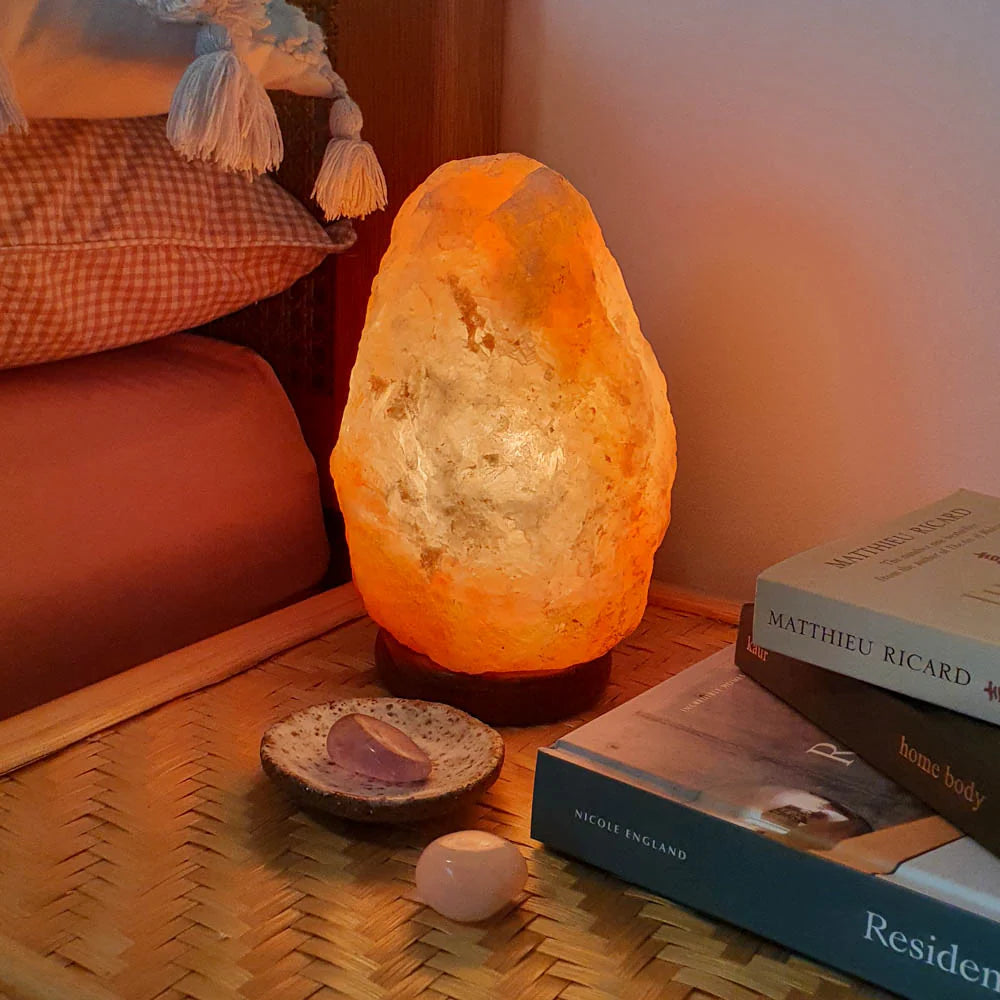


Himalayan salt lamp sizes explained for every room
Picking a Himalayan salt lamp sounds simple until you are standing in front of a product page trying to work out whether a 2 kg lamp is too small for your living room or whether a 15 kg one would overpower your bedside table. With himalayan salt lamp sizes explained properly, this decision becomes far less guesswork. These lamps, technically called halite crystal lamps, are carved from ancient salt deposits in the Khewra Salt Mine in Pakistan. They serve both as decorative pieces and as wellness additions to any space. Get the size wrong, though, and you lose both the visual appeal and the purported air-purifying benefits.
Table of Contents
- Key takeaways
- Himalayan salt lamp sizes explained: the core categories
- Matching lamp size to your room
- How shape and size affect light and appearance
- Safety and practical considerations by size
- Practical buying tips for every size category
- My honest take on sizing decisions
- Find your perfect size at Thehimalayansalt
- FAQ
Key takeaways
| Point | Details |
|---|---|
| Size is measured by weight and height | Use both figures together for accurate lamp comparisons across different brands. |
| Room size determines lamp weight | A 20 to 35 lb lamp suits rooms of roughly 100 to 150 square feet. |
| Larger lamps need stronger bulbs | Bigger lamps require 40W bulbs and stable, dry placement surfaces. |
| Shape affects light diffusion | Natural lumps, columns, and balls each spread light differently regardless of weight. |
| Authenticity links to weight | A genuine lamp feels noticeably heavy for its size, unlike lightweight imitations. |
Himalayan salt lamp sizes explained: the core categories
The industry does not follow a single universal standard, which is exactly why buyers get confused. Most vendors organise their ranges into three broad bands: small, medium, and large. These categories are defined primarily by weight, with height used as a secondary reference.
Weight and height correlate closely across the size spectrum, giving you a reliable starting framework:
| Weight category | Weight range | Approximate height |
|---|---|---|
| Small | 1.5 to 5 kg | 15 to 22 cm |
| Medium | 6 to 10 kg | 23 to 30 cm |
| Large | 10 to 20+ kg | 31 to 46 cm |
To put those numbers into context: a 1.5 to 2 kg lamp stands roughly 19 cm tall, which is about the height of a standard water bottle. A 9 to 11 kg lamp reaches around 30 cm, closer to the height of a small desktop monitor. And a substantial 18 to 22 kg lamp rises to approximately 46 cm, making it a genuine statement piece.
Here is the key point most buyers miss: because salt is a natural material, two lamps listed at the same weight can look noticeably different. Natural crystal form creates unique shape and weight combinations, so the table above is a guide rather than a guarantee. One 8 kg lamp might be wide and squat; another might be narrow and tall. Always check both measurements before buying.
- Small lamps (1.5 to 5 kg): Ideal for desks, bedside tables, and shelves. Good for personal spaces up to roughly 10 square metres.
- Medium lamps (6 to 10 kg): Suitable for home offices, small lounges, and dining areas. Cover rooms between 10 and 20 square metres effectively.
- Large lamps (10 to 20+ kg): Built for open-plan living rooms, hallways, and larger bedrooms. Lamps over 10 kg display unique striations and a distinctly natural matte finish that smaller lamps simply cannot replicate.
Matching lamp size to your room
This is where sizing decisions get genuinely useful rather than just theoretical. The rule of thumb most guides use is straightforward: one pound of salt crystal per square foot of room space. However, that formula only gets you so far.
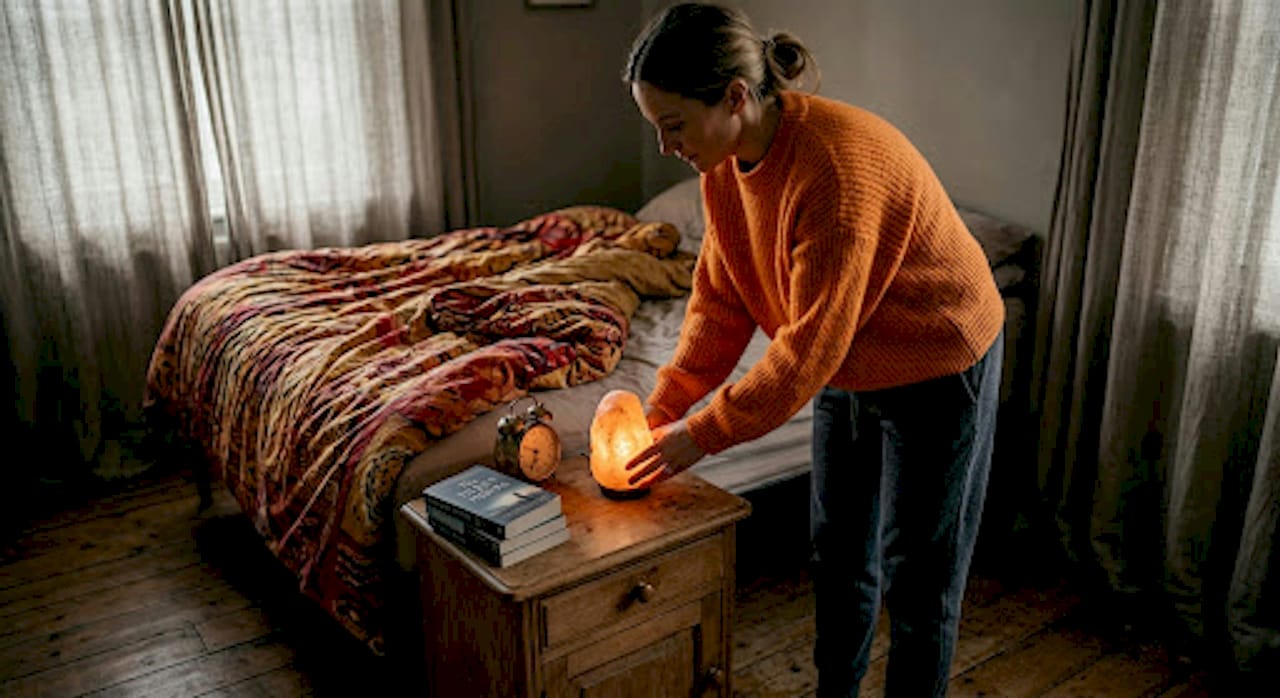
Combining room size with lamp height and weight gives better guidance than square footage alone. Here is a practical breakdown:
| Room type | Room size | Recommended lamp weight |
|---|---|---|
| Bedroom or office desk | Up to 10 sq m | 1.5 to 5 kg |
| Home office or small lounge | 10 to 20 sq m | 6 to 10 kg |
| Living room or open plan | 20 to 35 sq m | 10 to 20 kg |
| Large open plan or studio | 35 sq m+ | 20 kg+ or multiple lamps |
The ion coverage radius matters here too. A large lamp purifies air within a 15 to 25 foot radius, while a small lamp typically covers only 5 to 10 feet. A 20 to 35 lb lamp suits 100 to 150 square foot rooms with a 12 to 15 foot ion coverage area, and larger rooms need proportionally bigger or heavier pieces.
- Measure your room before browsing. Write down the square footage or square metre figure.
- Use the table above to identify your weight range.
- Check both the listed weight and height on any product you consider.
- If your room is large but you prefer a lower visual profile, consider placing two medium lamps at opposite ends rather than one oversized piece.
Pro Tip: For open-plan living and dining areas, two 6 to 10 kg lamps positioned at different heights create more even coverage than a single large lamp placed centrally. You also get more flexibility when rearranging furniture.
For rooms where aesthetics and yoga room decor are part of the brief, lamp placement alongside other wellness objects is worth planning in advance.
How shape and size affect light and appearance
Weight tells you about coverage; shape tells you about atmosphere. The salt lamp shapes and sizes comparison matters more than most buyers realise before they purchase.
The three most common forms you will encounter are natural lumps, geometric columns, and spherical balls. Each one distributes light in a fundamentally different way.
- Natural lumps: The classic irregular shape scatters light in multiple directions, producing an organic, cave-like glow. A larger natural lump amplifies this effect considerably, filling a room with warm amber colour rather than a localised pool of light.
- Columns and pyramids: These shapes direct more light upward and outward from the top. A tall column in a corner can mimic the effect of a floor lamp, making it appear taller and more prominent than its weight alone would suggest.
- Ball and sphere shapes: A 4 kg salt ball lamp produces an even, 360-degree glow that works beautifully on a central coffee table or shelf. The uniform shape means light spreads predictably, unlike jagged natural forms.
Size amplifies these differences significantly. A small ball lamp creates a subtle accent. A large ball lamp becomes a focal point. The same principle applies to natural lumps: a 3 kg piece glows softly in a corner, while a 15 kg piece fills a room with colour and presence. For anyone comparing décor choices across their home, the same logic that applies to choosing objects by room size applies here too. Scale relative to furniture is everything.
Safety and practical considerations by size

This section does not get enough attention in buying guides. Salt lamps are generally safe, but size introduces specific risks that are worth knowing before you plug anything in.
Electrical certification such as UL or ETL approval is the single most important safety marker, regardless of lamp size. Look for it on the plug or the product packaging. A lamp without certification is a risk regardless of how beautiful it looks.
- Bulb wattage: Larger lamps use 40W bulbs and emit more heat. Never fit a higher-wattage bulb than the manufacturer specifies. Doing so increases heat output to an unsafe level and can crack the salt crystal.
- Surface stability: Big lamps are genuinely heavy. A 15 kg lamp on a wobbly bedside table is a falling hazard. Place larger pieces on solid surfaces close to the floor when possible.
- Moisture management: Salt is hygroscopic, meaning it absorbs moisture from the air. This is partly what makes the lamps function as they do, but it also means the base can weep water in humid conditions. Keep lamps away from open windows and bathrooms.
- Heat output: The larger the lamp, the hotter the bulb needed to heat it adequately. Robust electrical components are required for bigger lamps due to the higher heat generated. Check that the fitting and cord are rated for the wattage being used.
Pro Tip: If your lamp starts to smell of burning or the plug feels warm to the touch, unplug it immediately. These are signs of an electrical issue unrelated to the salt, typically a fault in the fitting or an oversized bulb.
Practical buying tips for every size category
You have the size categories. You know your room dimensions. Now here is what to do with that information at the point of purchase.
Reliable size comparison across vendors requires both weight and height figures, since size equivalence is an approximation and natural formations vary considerably. A vendor who only lists one measurement is making it harder for you to compare accurately. Prioritise listings that include both.
Authenticity is tightly linked to weight. Genuine lamps feel heavy for their size and show visible surface irregularities. A lamp that looks polished and perfectly symmetrical is almost certainly not authentic Himalayan salt crystal. Genuine pieces are also fragile: the surface chips and scratches easily, which is normal and expected.
Here is what to assess before buying any salt lamp:
- Does the listing give both weight in kilograms and approximate height in centimetres?
- Does the product have a UL or ETL certified electrical fitting?
- Does the surface show natural colour variation between pale pink and deep orange-red?
- Is the lamp heavier than you would expect from its visual size?
- Does the vendor sell lamps in multiple weight categories rather than a single generic “size”?
For medium-range lamps around 9 to 12 kg, you hit a sweet spot: substantial enough to make a visual statement in a living room, light enough to move when needed. For smaller spaces or desk use, a 3 to 5 kg grey salt lamp is a good entry point. Grey salt crystals offer a cooler, more muted glow that works well in contemporary interiors.
My honest take on sizing decisions
I have seen a lot of buyers come back to size up after their first purchase, and almost all of them say the same thing: they went too small the first time. The instinct is to start cautious, buy a modest 2 kg lamp, and see how it goes. The problem is that a small lamp in a medium-sized room barely registers visually and does almost nothing for air coverage.
That said, I think the “bigger is always better” argument misses something too. I have been in rooms with enormous lamps that felt more like a novelty than a wellness piece, mostly because the lamp was placed badly or the room had poor air circulation to begin with. Size charts give you a sensible starting point, but room dynamics matter. A size guide used as a heuristic, not a rigid rule, produces better results than blindly following numbers.
The safety side is something I feel strongly about. I have seen lamps running on incorrect bulbs, sitting on unsteady furniture, positioned next to open windows. None of these are dramatic risks on their own, but combined they add up. The joy of owning a beautiful lamp should not come with avoidable stress.
My actual recommendation: if you are buying for a main living space, start at 9 to 12 kg minimum. If you are buying for a desk or bedroom, a 3 to 5 kg piece is genuinely enough. Appreciate the uniqueness of your lamp rather than measuring it against a standard. No two are alike.
— asad
Find your perfect size at Thehimalayansalt
Ready to choose? Thehimalayansalt carries a full range of authentic, handcrafted Himalayan salt lamps across every size category described in this article.
Whether you are after a compact piece for your bedside table or a substantial statement lamp for your living room, the range covers it all. Browse the 22 to 26 kg large lamp for open-plan spaces, or explore the 9 to 12 kg mid-range for living rooms and home offices. Prefer something distinctive? The large salt ball lamp offers a different aesthetic with the same authentic crystal quality. Every lamp is 100% genuine Himalayan salt, and all UK orders come with free shipping. No compromises on quality, no guesswork on size.
FAQ
What size Himalayan salt lamp do I need for my bedroom?
A 3 to 5 kg lamp suits most standard bedrooms, covering roughly 10 square metres and producing a gentle ambient glow without overpowering a small space.
How do lamp weight and height relate in Himalayan salt lamps?
Weight and height correspond closely: a 1.5 to 2 kg lamp stands around 19 cm tall, while an 18 to 22 kg lamp reaches approximately 46 cm, though natural variation means individual lamps differ.
Can I use multiple small lamps instead of one large one?
Yes. Two 6 to 10 kg lamps placed at different ends of a large room often provide better coverage and more flexible placement than a single oversized piece.
How do I know if my Himalayan salt lamp is the right size for my room?
Use the general rule of one pound of salt per square foot of room space as a starting point, then factor in the lamp’s ion coverage radius, which ranges from 5 to 10 feet for small lamps and up to 25 feet for large ones.
Does the shape of a salt lamp affect how much light it produces?
Yes. Natural lump shapes scatter light in multiple directions, columns direct it upward, and spherical ball lamps produce an even 360-degree glow. The same weight in different shapes creates noticeably different lighting effects.