Ancient healing salt traditions: a 2026 wellness guide
Ancient healing salt traditions are time-honoured practices in which salt, mineral-rich waters, and salt-laden environments are used to promote physical health, spiritual cleansing, and emotional balance. From Himalayan Ayurvedic medicine to Eastern European salt caves and Japanese Shinto purification rites, cultures across millennia recognised salt as far more than a seasoning. Today, wellness enthusiasts are revisiting these traditions with fresh curiosity, and some practices have even attracted clinical research. This guide covers the most significant ancient salt healing traditions, what modern science says about them, and how you can apply them safely at home.
1. The most influential ancient healing salt traditions
Salt-based healing spans every inhabited continent and thousands of years of recorded history. The traditions below represent the most historically significant and widely practised forms of what researchers and wellness practitioners now collectively call balneotherapy and halotherapy, the formal terms for water-based and salt-air therapies respectively.
-
Himalayan salt in Ayurvedic medicine. Ayurveda, the ancient Indian system of medicine dating back over 3,000 years, used Himalayan pink salt, known as Saindhava Lavana, to balance the three doshas: Vata, Pitta, and Kapha. Practitioners prescribed it in dietary form, as a digestive aid, and in topical applications for skin conditions. Its mineral content, including trace amounts of iron, magnesium, and potassium, was considered central to its purifying effect.
-
Speleotherapy in Eastern European salt mines. Workers in the Wieliczka Salt Mine in Poland and the Solotvyno mines in Ukraine were observed to have unusually low rates of respiratory illness as far back as the 18th century. This led to the formal development of speleotherapy, the practice of spending time in underground salt environments to treat asthma, bronchitis, and allergies. Armenia’s Republican Centre of Speleotherapy, located 235 metres underground, was publicly funded from 1987 and treated thousands of patients before losing state funding in 2019 due to insufficient evidence meeting new healthcare standards.
-
Ancient Egyptian salt rituals. Egyptians used natron, a naturally occurring salt compound of sodium carbonate and sodium bicarbonate, in mummification, ritual cleansing, and daily hygiene. Natron was dissolved in water for bathing and used as a mouth rinse. Its antibacterial properties made it a practical medical tool, not merely a ceremonial one.
-
Roman salt baths and salinae. Roman physicians prescribed salt baths for wound healing, skin diseases, and joint pain. Roman soldiers received a salarium, a salt allowance, partly because salt was understood to maintain physical vigour. Public bathhouses often incorporated mineral-rich waters, and coastal salt air was recommended for convalescence.
-
Japanese Shinto misogi purification. In Shinto tradition, salt is sacred and used in the misogi ceremony, a ritual purification involving water and salt to cleanse the body and spirit of impurity. Salt is still placed at the entrances of sumo wrestling rings and Japanese homes to ward off negative energy. This practice reflects a deeply held belief in salt’s protective and purifying spiritual power.
-
Ayn al-Zara thermal springs, Jordan. The ancient site of Ayn al-Zara (Callirrhoe) in Jordan was visited by King Herod in 4 BCE, who sought relief from illness in its salty thermal waters. Referenced by the historian Josephus, the site represents one of the earliest documented examples of salt-water healing used by a named historical figure. The mineral-rich springs were considered curative for a range of ailments.
-
Hippocrates and Greek salt medicine. Hippocrates used salt water topically for skin diseases and believed salt aided expectoration and wound healing. Greek physicians recommended inhaling steam from heated salt water for respiratory complaints, a practice that bears a striking resemblance to modern nebulised saline therapy. This is one of the clearest historical bridges between ancient salt medicine and current clinical practice.
-
Salt as a spiritual protective agent. Across cultures including ancient Rome, medieval Europe, and pre-modern Japan, salt was placed at thresholds, offered to deities, and scattered at burial sites to absorb negative energy and protect against evil spirits. This spiritual dimension of salt healing is distinct from its physical applications but equally persistent across history.
2. Ancient salt therapies vs modern salt treatments
The distinction between ancient and modern salt therapies matters more than most wellness articles acknowledge. Many historic traditions conflated saltwater bathing, mineral spring immersion, and salt-air inhalation as variations of the same healing force. Modern medicine separates these into distinct mechanisms with very different evidence bases.

| Tradition | Method | Modern equivalent | Evidence strength |
|---|---|---|---|
| Speleotherapy (salt caves) | Breathing salt-mine air | Halotherapy (salt rooms) | Weak to moderate |
| Hippocratic salt steam | Inhaling heated salt vapour | Nebulised hypertonic saline | Strong (cystic fibrosis) |
| Balneotherapy (salt baths) | Immersion in mineral-rich water | Spa and dermatological baths | Moderate |
| Ayurvedic salt diet | Dietary mineral salt intake | Electrolyte management | Context-dependent |
| Misogi purification | Ritual salt and water cleansing | No clinical equivalent | Cultural and spiritual |
A 2023 Cochrane review supports nebulised hypertonic saline for cystic fibrosis with strong clinical evidence. This means the Hippocratic instinct to use salt steam for respiratory complaints was physiologically sound, even if the mechanism was not understood at the time. By contrast, traditional salt cave therapy evidence remains largely anecdotal. A 2026 meta-analysis on inhaled hypertonic saline in non-cystic fibrosis bronchiectasis found no significant improvement in lung function across four randomised controlled trials involving 386 adults, suggesting salt therapy effects are diagnosis-specific rather than universally applicable.
Pro Tip: If you are exploring salt therapies for a respiratory condition, ask your GP whether nebulised saline is clinically appropriate for your diagnosis before investing in salt cave sessions. The two are not interchangeable.
3. What healing properties did ancient cultures attribute to salt?
Ancient cultures attributed four core healing properties to salt, and modern science has validated at least two of them in specific clinical contexts.
-
Cleansing and purification. Salt’s ability to draw moisture and inhibit bacterial growth made it a natural preservative and wound cleanser. Hippocrates applied salt water to infected skin and open wounds, a practice now understood through the lens of osmotic action and antimicrobial chemistry.
-
Respiratory relief. Greek and later medieval physicians recommended salt steam inhalation for chest complaints. The physiological mechanism, airway hydration and improved mucociliary clearance, is now well-documented. A 2026 pilot study on speleotherapy in the Çankırı Salt Cave showed statistically significant improvements in dyspnoea, COPD symptoms, and quality of life across 33 patients after 15 daily sessions, with p-values as low as .000. This is the most detailed clinical evidence currently available for salt cave protocols.
-
Skin healing. Salt baths were prescribed across Egyptian, Roman, and Ayurvedic traditions for skin diseases including psoriasis and eczema. Modern dermatology acknowledges the anti-inflammatory and antimicrobial properties of saline solutions, particularly in Dead Sea salt therapies, though evidence quality varies by condition.
-
Digestive and metabolic support. Ayurvedic texts describe Himalayan salt as a digestive stimulant that activates salivary enzymes and supports hydrochloric acid production in the stomach. Modern nutritional science confirms that sodium chloride is necessary for gastric acid production, though the specific benefits of mineral-rich salts over refined table salt remain debated.
The placebo effect and environmental factors also play a measurable role. Spending time in a quiet, mineral-rich underground environment reduces cortisol, improves sleep, and lowers perceived stress, regardless of the salt itself. Ancient healers may have attributed these benefits to salt’s mystical properties, but the outcomes were real.
4. How to safely bring ancient salt practices into your routine
You do not need to visit a salt mine in Poland or a thermal spring in Jordan to benefit from these traditions. Several ancient wellness practices translate directly into modern home routines.
-
Use authentic Himalayan salt in cooking. Swap refined table salt for Himalayan coarse salt in your daily cooking. The trace mineral content is modest but real, and the practice connects you to an Ayurvedic tradition thousands of years old. Use it in cooking, as a finishing salt, or dissolved in warm water as a morning mineral drink.
-
Try a salt bath ritual. Dissolve 250 to 500 grams of coarse Himalayan salt in a warm bath and soak for 20 minutes. This mirrors the Roman and Egyptian bathing traditions and provides genuine skin benefits through osmotic hydration. Add magnesium-rich Epsom salts if you want to amplify the muscle-relaxing effect.
-
Visit a reputable salt cave or halotherapy spa. Salt rooms and caves are now widely available across the UK. Go with realistic expectations: the experience is relaxing and may offer short-term respiratory relief, but speleotherapy remains complementary and is not a substitute for prescribed medical treatment.
-
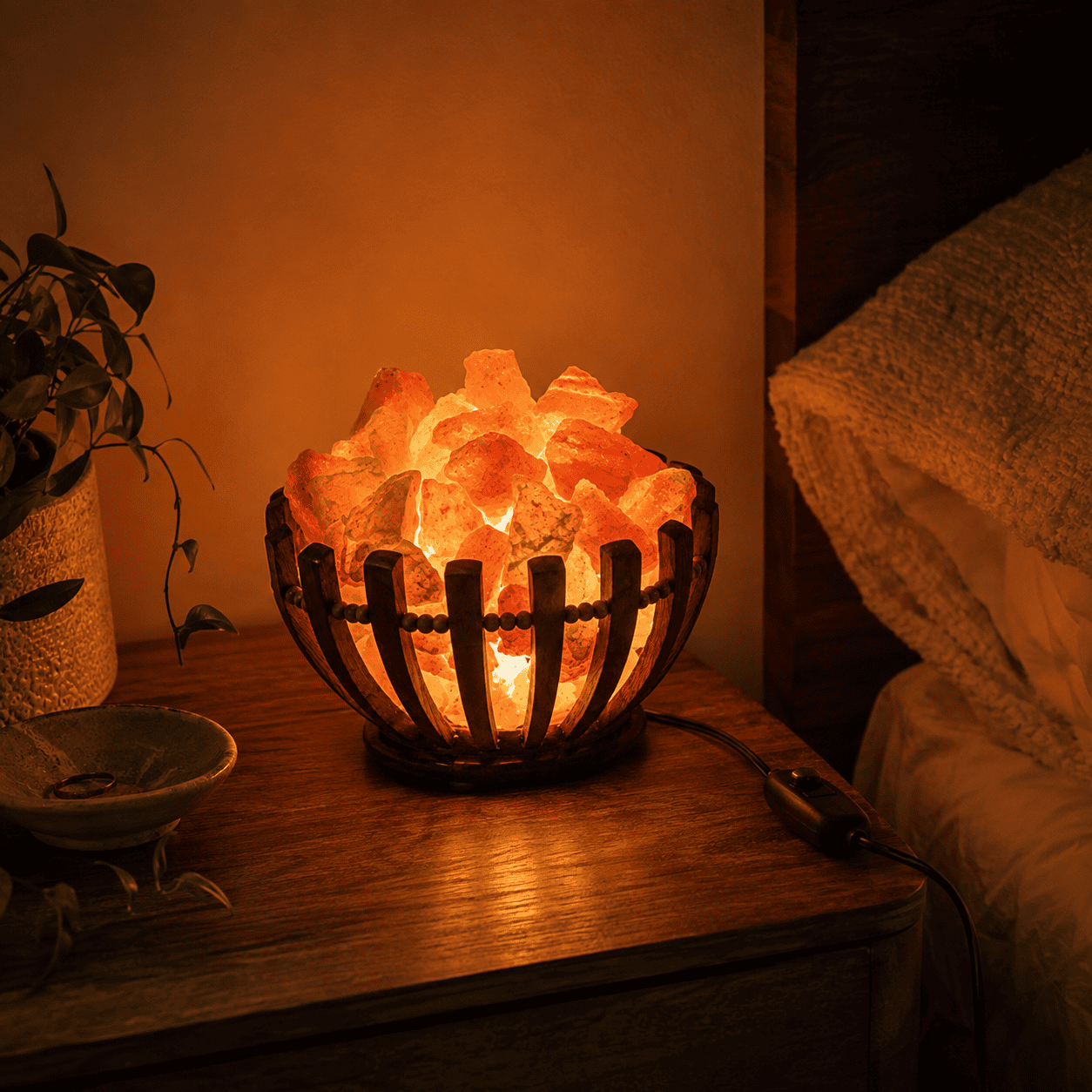
Place a Himalayan salt lamp in your home. Salt lamps do not purify air in a clinically measurable way, but they create a warm, amber-lit environment that supports relaxation and mindful living. Learn more about what salt lamps do before purchasing to set accurate expectations.
-
Adapt a salt purification ritual. Place a small dish of coarse salt near your front door, as is traditional in Japanese and many European folk practices. This is a low-cost, culturally rich way to bring the spiritual dimension of ancient salt traditions into daily life without any health claims attached.
Pro Tip: Always choose food-grade, authentically sourced Himalayan salt for any internal use. Look for products that specify origin from the Khewra Salt Mine in Pakistan, the world’s second-largest salt mine and the primary source of genuine Himalayan pink salt.
My honest view on ancient salt healing traditions
I find the history of salt in medicine genuinely compelling, and I think the wellness world both over-sells and under-appreciates it at the same time. The over-selling is obvious: claims that salt lamps cure allergies or that a single salt bath detoxifies the body are not supported by evidence. The under-appreciation is subtler.
What strikes me most is how consistent the core observations were across cultures that had no contact with each other. Greek physicians, Ayurvedic practitioners, and Japanese Shinto priests all arrived at salt as a purifying agent through entirely independent routes. That convergence is not proof of mystical properties, but it is worth taking seriously as a signal that salt does something observable and repeatable in the human body.
The research methodology in most salt therapy studies is genuinely limited: small samples, short durations, and pre/post symptom scores rather than blinded controls. This does not mean the therapies do not work. It means we do not yet have the evidence to say with confidence that they do, or for whom. Armenia’s experience of losing public funding for its speleotherapy centre illustrates exactly this tension between tradition and evidence-based medicine.
My advice: explore these traditions with genuine curiosity and appropriate scepticism. Use salt baths, try a salt cave, cook with mineral-rich Himalayan salt. Enjoy the history and the sensory experience. Just do not replace a prescribed inhaler with a salt lamp.
— asad
Bring ancient salt wellness home with Thehimalayansalt
Thehimalayansalt offers a full range of authentic, handcrafted Himalayan salt products that connect you directly to these ancient traditions. Every product is sourced from genuine Himalayan salt, with no synthetic additives.

Start with Himalayan coarse salt for cooking and salt bath rituals, or explore the edible salt collection for fine and coarse options suited to every use. For home wellness, the Himalayan Salt Lamp (22 to 26 kg) creates a warm, mineral-rich atmosphere inspired by traditional salt cave environments. Free UK shipping on all orders. Shop now at Thehimalayansalt and experience the difference authentic salt makes.
FAQ
What are ancient healing salt traditions?
Ancient healing salt traditions are cultural and medical practices in which salt, mineral waters, and salt-rich environments were used to treat physical ailments, purify the body, and cleanse the spirit. They span Ayurvedic medicine, Greek and Roman medicine, Japanese Shinto ritual, and Eastern European speleotherapy.
Is there scientific evidence for salt cave therapy?
Evidence for salt cave therapy is limited. A 2026 pilot study showed measurable improvements in COPD and asthma patients after 15 daily sessions, but a 2023 Cochrane review notes that nebulised hypertonic saline has far stronger clinical backing than traditional salt cave environments.
What did Hippocrates use salt for?
Hippocrates used salt water topically for skin diseases and believed it aided wound healing and expectoration. His use of heated salt steam for respiratory complaints closely resembles modern nebulised saline therapy.
Can salt baths genuinely benefit the skin?
Salt baths have genuine osmotic and antimicrobial properties that can support skin hydration and reduce surface bacteria. Dermatological research on Dead Sea salt therapies shows moderate benefits for conditions such as psoriasis, though results vary by individual and condition.
How do I choose authentic Himalayan salt?
Choose food-grade Himalayan salt that specifies origin from the Khewra Salt Mine in Pakistan. Avoid products with vague sourcing claims or added colourants. Thehimalayansalt sources 100% genuine Himalayan salt with no synthetic additives.
Key takeaways
Ancient healing salt traditions offer genuine historical depth and some evidence-backed benefits, but the strongest clinical support applies to specific medical salt therapies rather than general wellness claims.
| Point | Details |
|---|---|
| Ancient traditions converged on salt | Greek, Ayurvedic, Egyptian, and Japanese cultures all used salt for healing, independently and consistently. |
| Nebulised saline has strong evidence | A 2023 Cochrane review supports hypertonic saline for cystic fibrosis; salt cave therapy evidence remains weak. |
| Salt baths and cooking are low-risk | Himalayan salt baths and mineral-rich edible salt connect you to ancient practices with no significant health risks. |
| Speleotherapy is complementary only | Clinicians confirm salt cave therapy does not replace prescribed medical treatment for respiratory conditions. |
| Authentic sourcing matters | Genuine Himalayan salt from the Khewra Mine contains trace minerals absent from refined table salt. |